Motherboard: Definition, Function, Sizes, Components
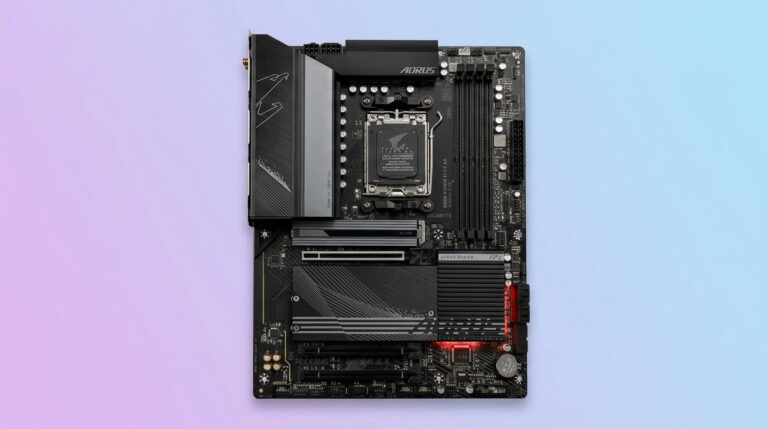
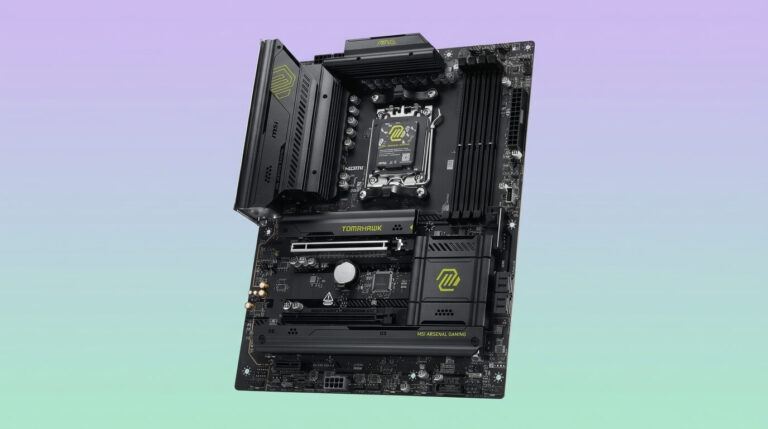
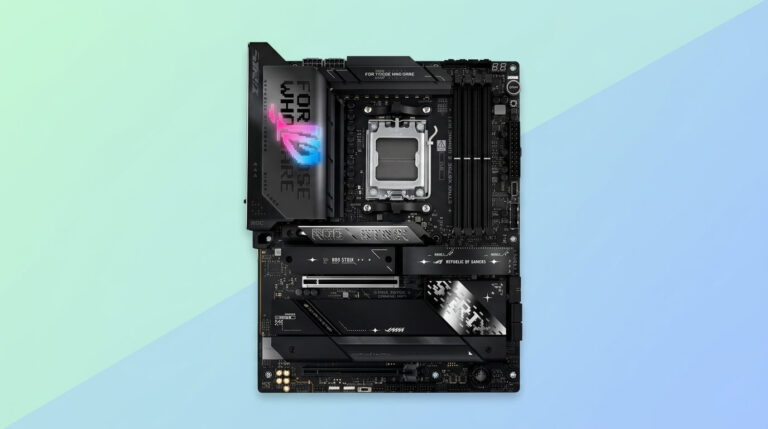
Learn what a motherboard is, what it does, how form factors differ, and which core parts like sockets, chipsets, VRMs, slots, ports, and headers matter most.
Expert guides, PC hardware breakdowns, performance tips and gaming advice designed to help you get more from your setup.
Straightforward advice for choosing hardware, increasing performance and getting more from your PC.
Learn what a motherboard is, what it does, how form factors differ, and which core parts like sockets, chipsets, VRMs, slots, ports, and headers matter most.
Learn how to choose a motherboard by comparing socket compatibility, chipset features, RAM support, PCIe slots, storage options, rear I/O, and power delivery.
Understand what a CPU socket is, how it connects a processor to the motherboard, the difference between LGA and PGA, and why socket compatibility matters.
Learn what motherboard ports do, how rear I/O and internal connectors differ, and which USB, display, storage, network, and power ports matter most.
Learn what PCIe slots are, how PCIe lane counts and generations affect bandwidth, and how to choose the right slot for your graphics card or expansion card.
Learn what motherboard expansion slots are, how PCIe slot sizes and generations work, and how to match the right slot to the right expansion card.
Compare the top motherboard brands by reliability, BIOS support, product tiers, pricing, and use case to choose the right manufacturer for your build.
Learn what motherboard headers do, how front-panel, fan, USB, audio, and RGB headers differ, and how to identify the right connector on your board.
Compare motherboard form factors like ATX, Micro-ATX, Mini-ITX, E-ATX, and BTX to understand case compatibility, expansion room, and upgrade flexibility.