
Table of Contents
The GeForce RTX 3080 carries a 320W typical graphics power rating and a Founders Edition length of 285mm, though partner cards from AIB manufacturers commonly extend to 320mm or more with triple-fan coolers. A case built around this GPU needs sufficient graphics card clearance, dedicated intake airflow across the card’s fan shroud, and enough vertical space to avoid crowding the CPU cooler and front fan positions. Cable routing and PSU shroud depth also affect how easily the card’s 8-pin or 12-pin power connector reaches the power supply.
Airflow matters as much as raw clearance. The RTX 3080’s dual or triple-fan coolers pull air from the case interior and exhaust some of it through the top bracket, so a front-to-back airflow path with mesh paneling reduces recirculated hot air around the card. Cases with restrictive front panels or minimal fan mounts can raise GPU operating temperatures by several degrees compared with high-airflow mesh designs, even when the graphics card itself is unchanged.
Motherboard compatibility is the second constraint that shapes case selection. Builders pairing the RTX 3080 with a compact Micro-ATX or Mini-ITX board need less depth than those using a full ATX or E-ATX board with multiple expansion slots. Case width, motherboard tray positioning, and cable cutout placement all vary between compact and full-size mid-tower designs, which changes how much room remains for the graphics card and its cooling once the board is installed.
This article reviews six mid-tower cases that accommodate the RTX 3080: the Lian Li Lancool 216, Fractal Design Torrent, Lian Li O11 Dynamic EVO, NZXT H7 Flow, Phanteks XT Pro, and be quiet! Dark Base 802. Each section details the case’s specifications, motherboard compatibility, and how it compares with the other listed alternatives, followed by a guide on how to choose the right case for an RTX 3080 build.
THE SHORTLIST
This guide, at a glance
Compare the products covered below, then explore the strengths, limitations, and specifications that matter to you.
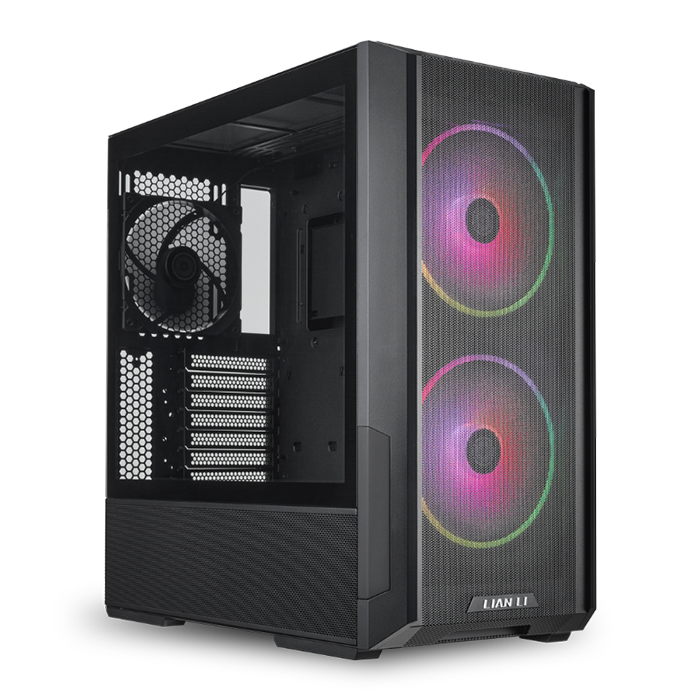 Check current priceView on Amazon: Lian Li Lancool 216 (opens in a new tab)
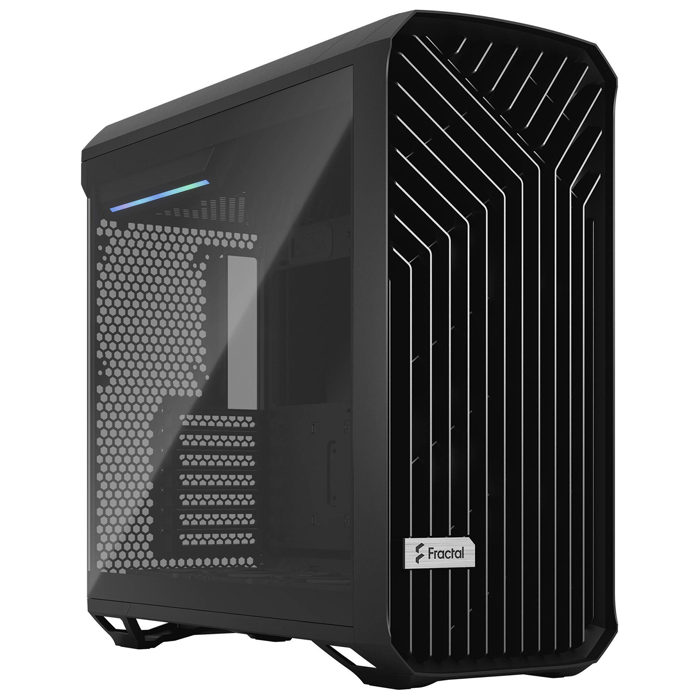 Check current priceView on Amazon: Fractal Design Torrent (opens in a new tab)
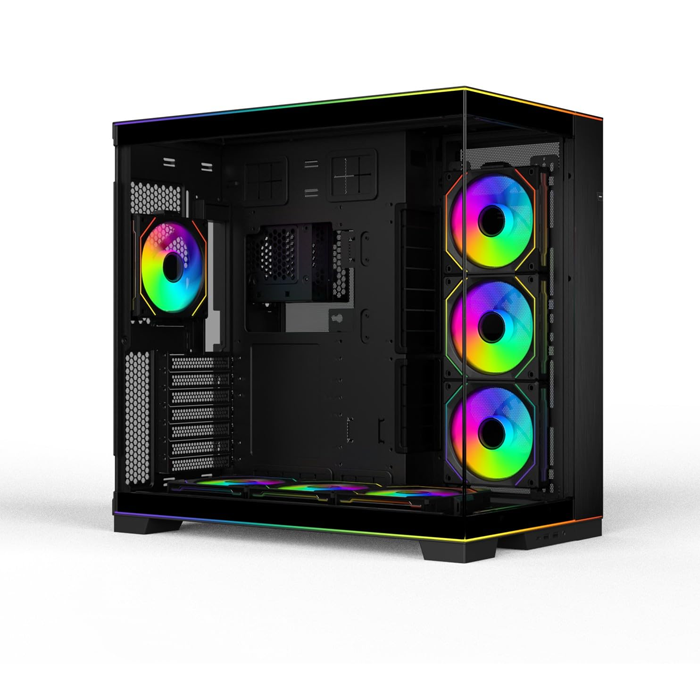 Check current priceView on Amazon: Lian Li O11 Dynamic EVO (opens in a new tab)
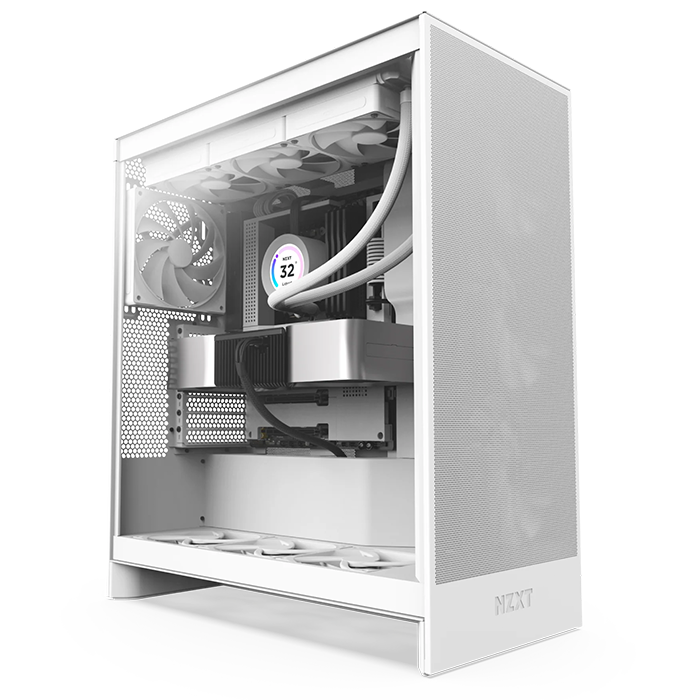 Check current priceView on Amazon: NZXT H7 Flow (opens in a new tab)
- Check current priceView on Amazon: Phanteks XT Pro (opens in a new tab)
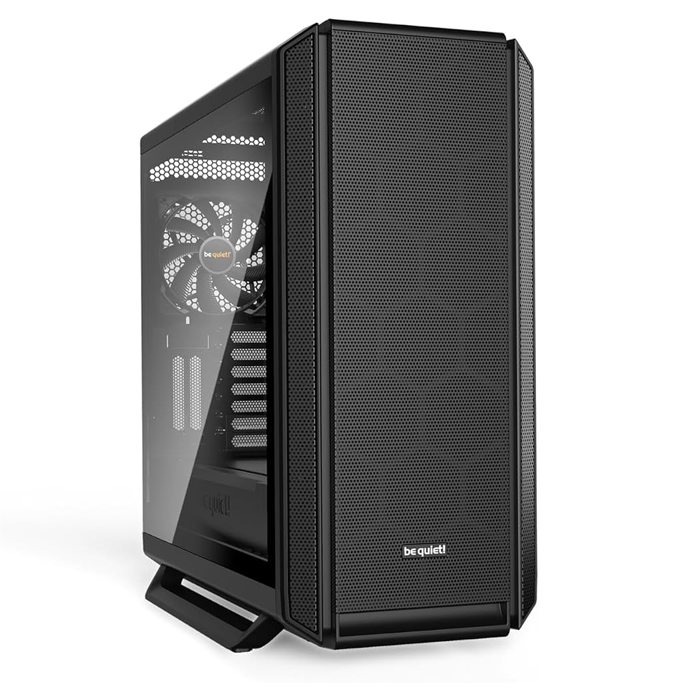 Check current priceView on Amazon: be quiet! Dark Base 802 (opens in a new tab)
Purchase links open Amazon. Confirm the exact model, price, availability, and seller terms before ordering.
Best PC Case for RTX 3080 Graphics Card
Lian Li Lancool 216
Pricing and availability on Amazon
Pros & cons
Strengths
- Ships with three fans pre-installed, lowering upfront airflow costs
- Supports E-ATX motherboards despite a compact external footprint
- Modular motherboard tray adapts the case to air or liquid cooling
- Relocatable front I/O panel adds placement flexibility
Limitations
- Front panel lacks a dust filter in the base configuration
- 220mm PSU length limit excludes some longer high-wattage units
- Smaller interior volume than full-size alternatives like the O11 Dynamic EVO
Review notes
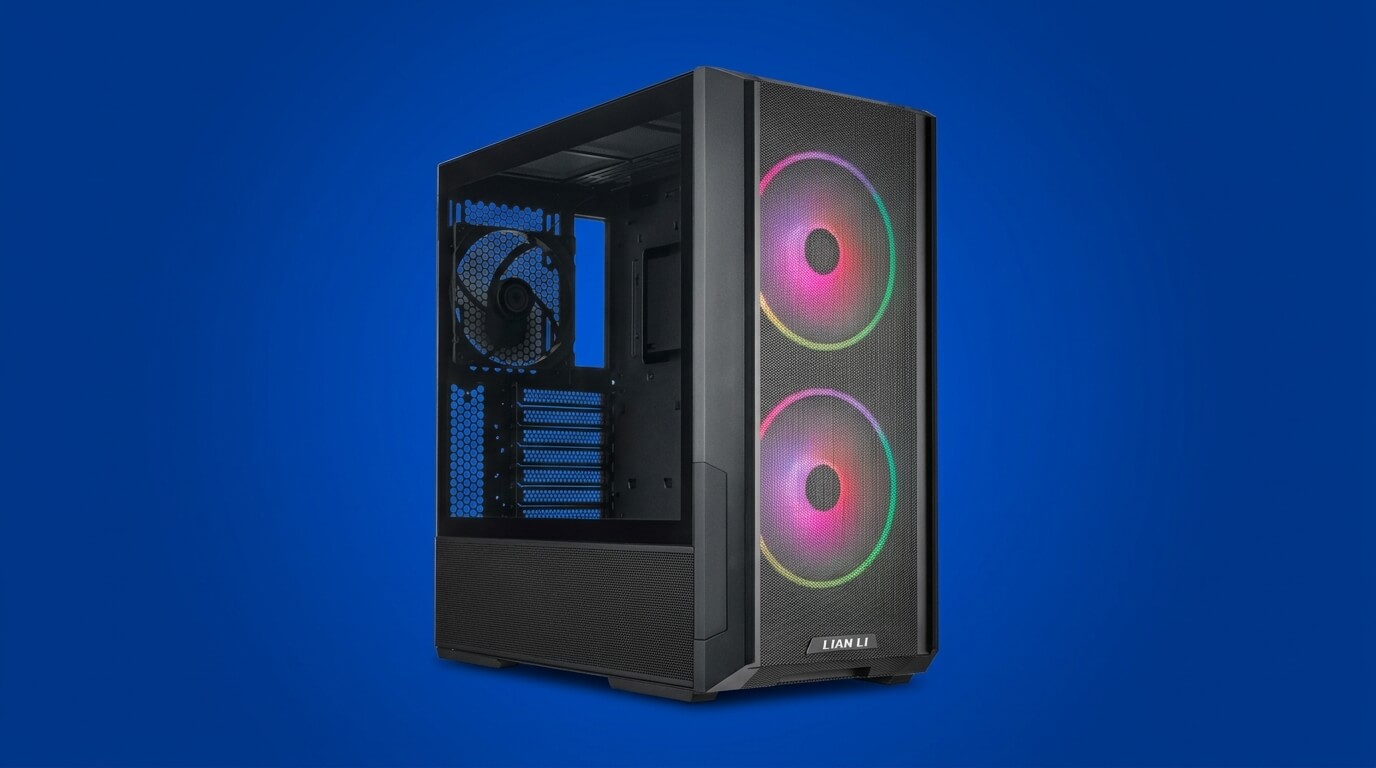
The Lian Li Lancool 216 is a mesh-fronted ATX mid-tower case that measures 480.9mm in depth, 235mm in width, and 491.7mm in height. Steel panels form the chassis body, and a 4.0mm tempered glass panel forms the left side window. The case ships with two 160mm ARGB fans at the front and one 140mm fan at the rear, giving it active airflow out of the box rather than requiring separate fan purchases.
GPU clearance reaches 392mm, which accommodates the RTX 3080 Founders Edition and the large majority of partner cards with room to spare for cable routing behind the front fans. CPU cooler height clearance is 180.5mm, sufficient for most tower air coolers paired with an RTX 3080 build. The case supports a modular motherboard tray position: raising the tray creates space above the PSU shroud for wider intake fans in air-cooling configurations, while lowering it opens a 63mm gap at the top for radiator and fan combinations in liquid-cooling builds.
Motherboard support spans Mini-ITX, Micro-ATX, and ATX natively, plus E-ATX boards under 280mm in width when the grommet bar is flipped 180 degrees. This flip does not affect cable management in the second chamber because of the case’s symmetrical internal layout, so E-ATX builders retain the same routing options as ATX builders. The front I/O module, which includes two USB 3.0 ports, one USB-C port, and audio jacks, can be relocated from the top to the lower-left side of the front panel to suit different desk placements.
Compared with the Fractal Design Torrent and NZXT H7 Flow, the Lancool 216 offers a smaller external footprint while still providing full radiator support at the front, top, and bottom of the chassis. It undercuts the be quiet! Dark Base 802 and Lian Li O11 Dynamic EVO on both price and size, trading some interior volume for a more compact desk presence. Against the Phanteks XT Pro, the Lancool 216 includes more fans out of the box, reducing the initial cost of building a complete airflow setup.
Specs & configuration
| Specification | Detail |
|---|---|
| Case type | ATX mid-tower |
| Dimensions (D x W x H) | 480.9 x 235 x 491.7 mm |
| Motherboard support | Mini-ITX, Micro-ATX, ATX, E-ATX (under 280mm) |
| Max GPU length | 392 mm |
| Max CPU cooler height | 180.5 mm |
| Max PSU length | 220 mm |
| Included fans | 2x 160mm front (ARGB), 1x 140mm rear |
| Front fan support | 3x 120mm / 2x 140mm / 2x 160mm |
| Top fan support | 3x 120mm / 2x 140mm |
| Radiator support | Front and top up to 360mm, bottom up to 240mm |
| Drive bays | 2x 3.5″, 6x 2.5″ |
| Expansion slots | 7 |
| Front I/O | 2x USB 3.0, 1x USB-C, audio, power, reset |
| Weight | 10.5 kg |
Fractal Design Torrent
Pricing and availability on Amazon
Pros & cons
Strengths
- Widest motherboard support in this comparison, including SSI CEB and SSI EEB
- Longest GPU clearance among the six cases, at 461mm
- Five fans included, positioned for direct GPU-focused airflow
- Open front grille avoids the airflow restriction of mesh or solid panels
Limitations
- No dust filter on the open front grille, increasing dust intake
- Larger external footprint than the Lancool 216 or Phanteks XT Pro
- Bottom-mounted fan layout raises operating noise under load compared with quieter designs
Review notes
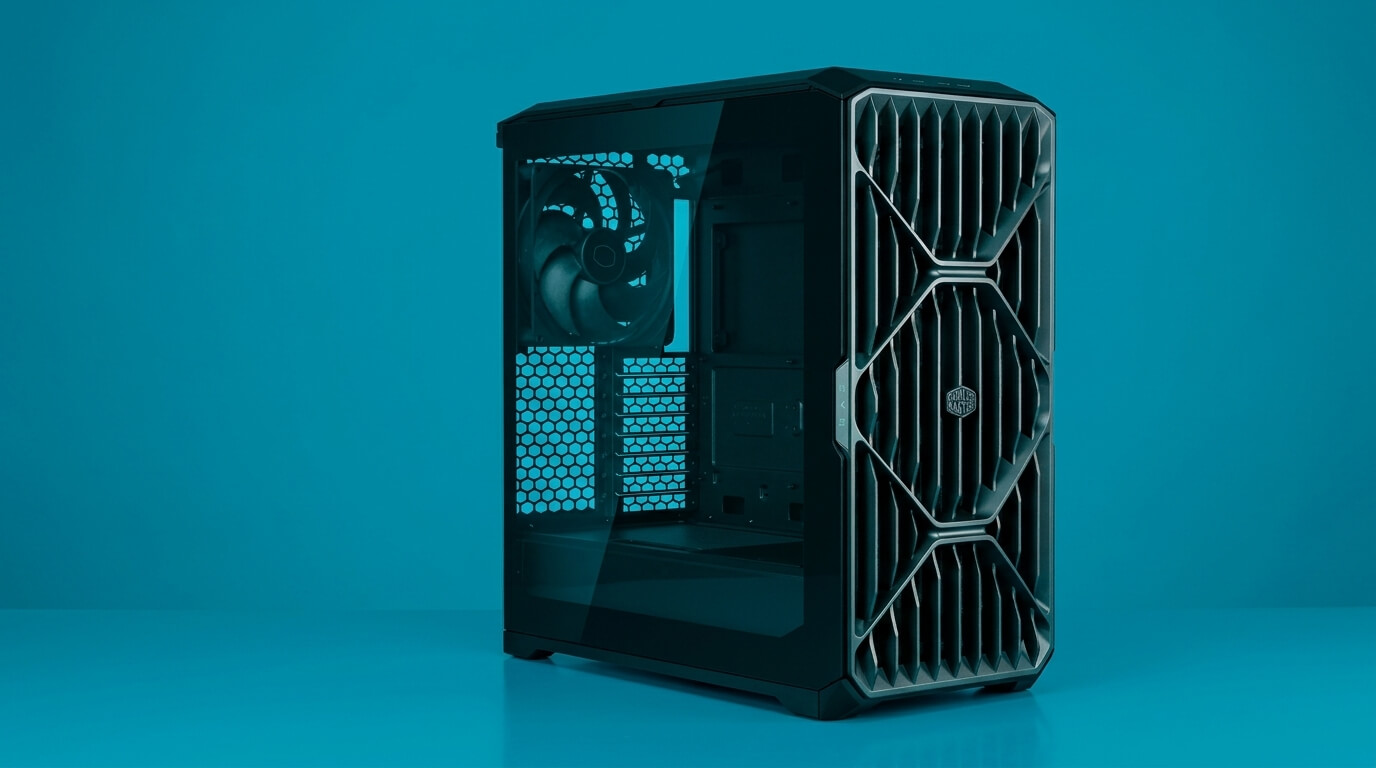
The Fractal Design Torrent is an ATX mid-tower case built around an open, filter-free front grille designed to maximize airflow to the graphics card and CPU cooler. The chassis measures 544mm in depth, 242mm in width, and 530mm in height, making it larger than the Lancool 216 and closer in volume to the be quiet! Dark Base 802. Five PWM fans come pre-installed: two 180mm units at the front and three 140mm units along the bottom, positioned to draw air directly across the graphics card.
Maximum GPU length reaches 461mm, the longest clearance among the cases covered in this article, which leaves substantial headroom for the RTX 3080’s 285mm to 320mm-plus card lengths regardless of AIB design. CPU cooler height clearance is 188mm, and PSU length support extends to 230mm. The top-mounted PSU position keeps the lower chamber open for the bottom-mounted fans and their airflow path toward the GPU.
Motherboard support covers Mini-ITX, Micro-ATX, ATX, E-ATX, SSI CEB, and SSI EEB, giving the Torrent the widest board-format range of the cases in this comparison. The open bottom chamber and top-mounted PSU shroud mean E-ATX boards do not compete for space with drive cages, since the primary 2x 3.5″ and 4x 2.5″ drive mounts sit along the sides of the case rather than beneath the motherboard tray.
Against the Lancool 216 and NZXT H7 Flow, the Torrent trades a smaller footprint for higher raw airflow and greater GPU clearance. Compared with the Lian Li O11 Dynamic EVO, the Torrent includes five fans standard, while the O11 Dynamic EVO ships with none. Relative to the Phanteks XT Pro and be quiet! Dark Base 802, the Torrent’s bottom-fan GPU cooling layout is a structurally different approach than the front-and-top airflow path those two cases use.
Specs & configuration
| Specification | Detail |
|---|---|
| Case type | ATX mid-tower |
| Dimensions (D x W x H) | 544 x 242 x 530 mm |
| Motherboard support | Mini-ITX, Micro-ATX, ATX, E-ATX, SSI CEB, SSI EEB |
| Max GPU length | 461 mm |
| Max CPU cooler height | 188 mm |
| Max PSU length | 230 mm |
| Included fans | 2x 180mm front, 3x 140mm bottom |
| Bottom fan support | 3x 120/140mm or 2x 180mm |
| Radiator support | Front and bottom up to 420mm, rear up to 140mm |
| Drive bays | 2x 3.5″, 4x 2.5″ |
| Expansion slots | 7 |
| Front I/O | 1x USB-C (Gen 2), 2x USB 3.0, audio |
| Weight | 10.4–11.1 kg |
Lian Li O11 Dynamic EVO
Pricing and availability on Amazon
Pros & cons
Strengths
- Dual-chamber layout keeps cables out of the visible build area
- Widest chassis of the six cases, easing large-component installation
- Reversible design allows the tempered glass panel on either side
- Eight expansion slots support multi-card and accessory setups
Limitations
- Ships without fans, adding to total build cost
- Lowest CPU cooler height clearance in this comparison, at 167mm
- Larger footprint increases desk space requirements
Review notes
The Lian Li O11 Dynamic EVO is a dual-chamber mid-tower case measuring 465mm in depth, 285mm in width, and 459mm in height, giving it the largest width of the cases in this comparison. The design separates the main chamber, which houses the motherboard, GPU, and primary cooling, from a secondary chamber behind the motherboard tray that holds the power supply, cables, and drive mounts. No fans ship with the case; builders select and install their own fans across the available mounting points.
GPU clearance is rated at 422mm, and CPU cooler height clearance reaches 167mm, the lowest cooler clearance among the cases covered here. PSU length support is approximately 220mm. The dual-chamber layout keeps the build chamber visually clean, since cables route through the rear chamber rather than across the motherboard tray, which benefits cable management around the graphics card’s power connectors.
Motherboard support includes Mini-ITX, Micro-ATX, ATX, E-ATX, and Mini-DTX. The dual-chamber design does not reduce usable motherboard tray space compared with single-chamber cases, since the second chamber is dedicated entirely to the PSU, cables, and drives. Eight expansion slots accommodate multi-slot graphics cards and additional expansion cards without crowding.
Compared with the Fractal Design Torrent and Lancool 216, the O11 Dynamic EVO offers no pre-installed fans, which increases the upfront cost of a complete cooling setup but allows builders to select fans matched to their airflow or noise preferences. Against the be quiet! Dark Base 802, the O11 Dynamic EVO’s dual-chamber layout serves a similar cable-management goal through a different structural approach, with the O11 Dynamic EVO prioritizing a fully visible build chamber. Relative to the NZXT H7 Flow and Phanteks XT Pro, the O11 Dynamic EVO has the lowest CPU cooler clearance of the six cases, which builders using tall air coolers should check before purchase.
Specs & configuration
| Specification | Detail |
|---|---|
| Case type | ATX mid-tower, dual-chamber |
| Dimensions (D x W x H) | 465 x 285 x 459 mm |
| Motherboard support | Mini-ITX, Micro-ATX, ATX, E-ATX, Mini-DTX |
| Max GPU length | 422 mm |
| Max CPU cooler height | 167 mm |
| Max PSU length | 220 mm |
| Included fans | None |
| Fan support | Top, side, bottom: 3x 120mm or 2x 140mm each; rear 1x 120mm |
| Radiator support | Top and side up to 360mm, bottom up to 280mm |
| Drive bays | 6x 2.5″/3.5″ combo, 7x 2.5″ |
| Expansion slots | 8 |
| Front I/O | 2x USB 3.0, 1x USB-C, audio |
| Weight | 12.7 kg |
NZXT H7 Flow
Pricing and availability on Amazon
Pros & cons
Strengths
- Bottom-mounted fan positions provide direct GPU-focused cooling
- Mesh paneling with filters across front, top, and bottom panels
- Three fans included out of the box
- E-ATX support up to 277mm wide fits most extended boards
Limitations
- 200mm PSU length limit is the shortest of the six cases
- No bottom fans included, requiring a separate purchase to use that airflow path
- Vertical PSU mount adds a cable-routing step compared with standard shroud layouts
Review notes
The NZXT H7 Flow is an ATX mid-tower case with dimensions of 544mm in height, 244mm in width, and 468mm in depth. Its defining feature is a vertical power supply orientation that frees the case floor for up to three bottom-mounted 120mm fans positioned directly beneath the graphics card. Three 120mm fans ship pre-installed at the front as intake.
GPU length clearance is 410mm, and CPU cooler height clearance is 185mm. PSU length support is limited to 200mm, the shortest among the six cases, which can restrict compatibility with some longer high-wattage power supplies. The bottom-mounted fan positions are a direct response to graphics card cooling: air drawn from beneath the card supplements the front-to-back airflow path and helps cool the card’s underside, which is otherwise the least-ventilated surface in a standard front-fan-only layout.
Motherboard support covers Mini-ITX, Micro-ATX, ATX, and E-ATX up to 277mm wide. Mesh paneling on the front, top, and bottom maximizes airflow into the case, and all three surfaces include dust filtration.
Compared with the Fractal Design Torrent, which uses a similar bottom-fan GPU cooling concept, the H7 Flow has a smaller external footprint and shorter maximum GPU and PSU clearances. Against the Lancool 216, the H7 Flow supports a wider E-ATX board tolerance (277mm versus 280mm is comparable, though the H7 Flow’s mesh coverage extends further across all three panels). Relative to the be quiet! Dark Base 802 and Phanteks XT Pro, the H7 Flow’s three-panel mesh design prioritizes airflow over the noise dampening those two cases emphasize.
Specs & configuration
| Specification | Detail |
|---|---|
| Case type | ATX mid-tower |
| Dimensions (H x W x D) | 544 x 244 x 468 mm |
| Motherboard support | Mini-ITX, Micro-ATX, ATX, E-ATX (up to 277mm) |
| Max GPU length | 410 mm |
| Max CPU cooler height | 185 mm |
| Max PSU length | 200 mm |
| Included fans | 3x 120mm front |
| Bottom fan support | Up to 3x 120mm |
| Radiator support | Front up to 420mm, top up to 360mm, rear up to 140mm |
| Drive bays | 2x 3.5″, 4x 2.5″ (2+2) |
| Expansion slots | 7 |
| Front I/O | 2x USB 3.2 Gen 1 Type-A, 1x USB 3.2 Gen 2 Type-C, audio |
| Weight | 11.13 kg |
Phanteks XT Pro
Pricing and availability on Amazon
Pros & cons
Strengths
- Supports rear-connector motherboards including ASUS BTF and MSI Project Zero
- Midplate fan positions provide direct airflow to the graphics card
- Up to ten 120mm fan mounting positions for extensive cooling scalability
- Lightest case in this comparison at 8.17 kg
Limitations
- Ships with only one fan pre-installed
- Front radiator support limited to 240mm, shorter than several alternatives
- Smaller drive bay count than the be quiet! Dark Base 802 or O11 Dynamic EVO
Review notes
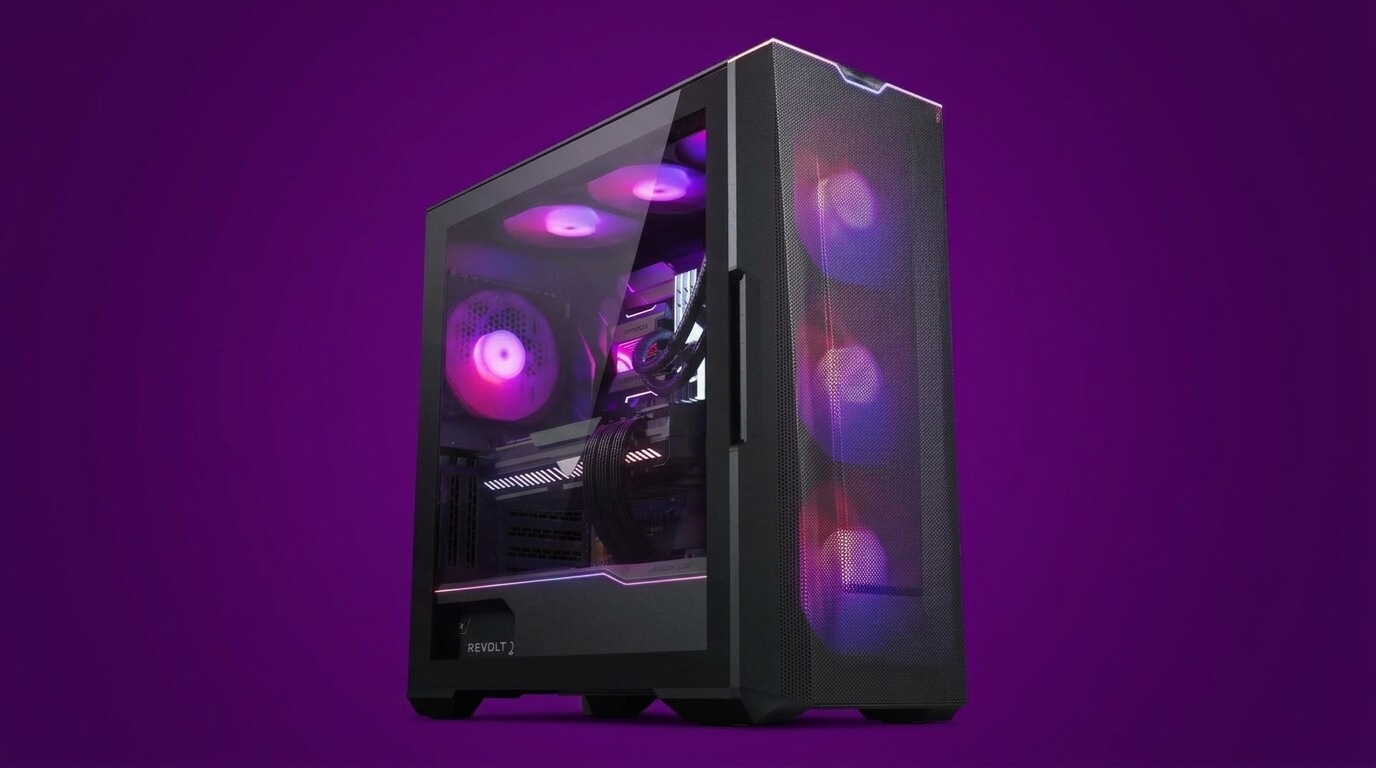
The Phanteks XT Pro is a mid-tower case with external dimensions of 450 x 230 x 500mm and a design built around support for rear-connector motherboards, including ASUS BTF, MSI Project Zero, and Gigabyte Project Stealth boards, alongside conventional front-connector ATX boards. A tempered glass side panel pairs with a mesh front panel, and the case ships with one 120mm fan pre-installed at the rear.
GPU length clearance is 415mm, and CPU cooler height clearance is 184mm. PSU length support extends to 270mm, longer than the Lancool 216, NZXT H7 Flow, or O11 Dynamic EVO. Three 120mm fan positions sit on the case’s midplate directly facing the graphics card, providing a dedicated GPU cooling zone independent of the front and top fan mounts.
Motherboard support spans Mini-ITX, Micro-ATX, ATX, and E-ATX up to 280mm wide. The case supports up to ten 120mm fans or a mix of six 140mm and three 120mm fans across all mounting locations, giving builders room to scale cooling as needed for the RTX 3080’s thermal output.
Compared with the be quiet! Dark Base 802, the XT Pro is smaller and lighter while offering similar E-ATX width tolerance. Against the Lancool 216 and NZXT H7 Flow, the XT Pro ships with only one fan standard rather than three, shifting more of the airflow build-out cost to the buyer. Relative to the Fractal Design Torrent and O11 Dynamic EVO, the XT Pro’s rear-connector motherboard support is a feature the other cases do not specifically address, making it a more forward-compatible choice for builders planning a future rear-connector board upgrade.
Specs & configuration
| Specification | Detail |
|---|---|
| Case type | Mid-tower |
| Dimensions (L x W x H) | 450 x 230 x 500 mm |
| Motherboard support | Mini-ITX, Micro-ATX, ATX, E-ATX (up to 280mm) |
| Max GPU length | 415 mm |
| Max CPU cooler height | 184 mm |
| Max PSU length | 270 mm |
| Included fans | 1x 120mm rear |
| Midplate fan support | 3x 120mm (direct GPU cooling) |
| Radiator support | Front up to 240mm, top up to 360mm, rear up to 120mm |
| Drive bays | 2x 3.5″, 2x 2.5″ (5x 2.5″ total capacity) |
| Expansion slots | 7 |
| Front I/O | 1x USB 3.0, 1x USB-C (Gen 2), audio |
| Weight | 8.17 kg |
be quiet! Dark Base 802
Pricing and availability on Amazon
Pros & cons
Strengths
- Interchangeable front panel and top cover switch between airflow and silent configurations
- Longest PSU length support in this comparison, at 288mm
- Highest drive bay capacity of the six cases
- Vertical GPU mounting supported through the two additional expansion slots
Limitations
- GPU clearance drops to 287mm if the default HDD cages stay installed
- Tallest and among the heaviest cases in this comparison
- Higher price point than the Lancool 216, XT Pro, or H7 Flow
Review notes
The be quiet! Dark Base 802 is a large mid-tower case measuring 539mm in length, 281mm in width, and 553mm in height, the tallest and among the heaviest cases in this comparison at approximately 12.6 to 14 kg depending on the glass or solid panel configuration. The case ships with three Pure Wings 2 140mm fans: two at the front and one at the rear. An interchangeable front panel and top cover let builders switch between a mesh configuration for higher airflow and a solid configuration for reduced noise.
GPU length clearance reaches 432mm, dropping to 287mm if the internal HDD cages remain installed in their default position. CPU cooler height clearance is 185mm, and PSU length support extends to 288mm, the longest PSU allowance among the six cases. This generous PSU clearance benefits builds using longer high-wattage power supplies alongside the RTX 3080’s 320W draw.
Motherboard support covers Mini-ITX, Micro-ATX, ATX, and E-ATX. The motherboard tray is removable and can be inverted for an alternate layout, and nine total expansion slots, including two vertical slots, accommodate a vertically mounted graphics card alongside standard expansion cards.
Compared with the Fractal Design Torrent, the Dark Base 802 offers heavier noise-dampening construction at the cost of a similarly large footprint. Against the Lancool 216 and NZXT H7 Flow, the Dark Base 802 provides substantially more drive bay capacity and a longer PSU length allowance, though its GPU clearance drops if the HDD cages are not removed. Relative to the Phanteks XT Pro, the Dark Base 802 is both larger and heavier, trading portability for interior volume and acoustic insulation.
Specs & configuration
| Specification | Detail |
|---|---|
| Case type | Midi-tower |
| Dimensions (L x W x H) | 539 x 281 x 553 mm |
| Motherboard support | Mini-ITX, Micro-ATX, ATX, E-ATX |
| Max GPU length | 432 mm (287 mm with HDD cages installed) |
| Max CPU cooler height | 185 mm |
| Max PSU length | 288 mm |
| Included fans | 2x 140mm front, 1x 140mm rear (Pure Wings 2) |
| Front/top fan support | Up to 3x 120mm / 140mm each |
| Radiator support | Front up to 420mm, top up to 360mm, rear up to 140mm |
| Drive bays | Up to 7x 3.5″ and 15x 2.5″ (3x 3.5″ and 7x 2.5″ pre-configured) |
| Expansion slots | 9 (7 standard + 2 vertical) |
| Front I/O | 2x USB 3.2 Gen 1 Type-A, 1x USB 3.2 Gen 2 Type-C, audio, mic |
| Weight | 12.6–14 kg |
How To Choose PC Case for RTX 3080
Choose a PC case for the RTX 3080 by prioritizing GPU length clearance above 300mm, front-to-back or bottom-up airflow with mesh paneling, and motherboard support that matches the target board size. These three factors determine whether the graphics card fits, stays within safe operating temperatures, and pairs correctly with the rest of the build.
GPU length clearance should account for the specific card variant rather than the Founders Edition alone. The RTX 3080 Founders Edition measures 285mm, but partner cards with triple-fan coolers commonly reach 320mm or longer. Checking the exact card’s listed length against the case’s GPU clearance, and leaving at least 10-15mm of margin for cable connectors at the end of the card, avoids a close or impossible fit. All six cases reviewed in this article clear 390mm or more, which covers the large majority of RTX 3080 partner cards.
Airflow design affects GPU temperatures more than case volume alone. Mesh front panels, as used on the Lancool 216, NZXT H7 Flow, and Phanteks XT Pro, allow more intake air to reach the graphics card than solid or glass-fronted designs. Cases with additional GPU-focused fan positions, such as the Fractal Design Torrent’s bottom-mounted fans or the Phanteks XT Pro’s midplate fan mounts, supplement standard front-to-back airflow with cooling directed at the card itself. Builders prioritizing quiet operation, such as with the be quiet! Dark Base 802, should confirm that a quieter panel configuration still keeps GPU temperatures within the card manufacturer’s rated limits under sustained load.
Motherboard support must match the intended board size, since not every case accommodates every form factor at full clearance. Builders using an E-ATX board should confirm the exact width limit, since several cases in this comparison cap E-ATX support between 274mm and 280mm wide. Builders using a compact Micro-ATX or Mini-ITX board have more flexibility, since all six cases support those smaller formats without restriction.
Additional factors include CPU cooler height clearance, which ranges from 167mm to 188mm across the cases reviewed, and PSU length support, which ranges from 200mm to 288mm. Builders planning a tall air cooler or a long modular power supply should check both figures against the specific case before finalizing a purchase, since either constraint can require a different PSU or cooler than originally planned.
JOIN THE CONVERSATION
Leave a comment
Have a question or something to add? Share it with our editorial team. Comments are reviewed privately and are not published automatically.